Buying or selling industrial machinery and construction equipment on eBay means one thing is non-negotiable: you need to understand freight shipping before the listing goes live. Heavy equipment doesn't move in a UPS box. It needs the right trailer, the right permits, and a carrier who's done it before.
Whether you're a seller trying to reach a national buyer pool or a buyer picking up a deal three states away, this guide covers what you need to know — trailer selection, over-dimensional rules, and state-by-state permitting.
Understanding Freight Shipping for Heavy Equipment
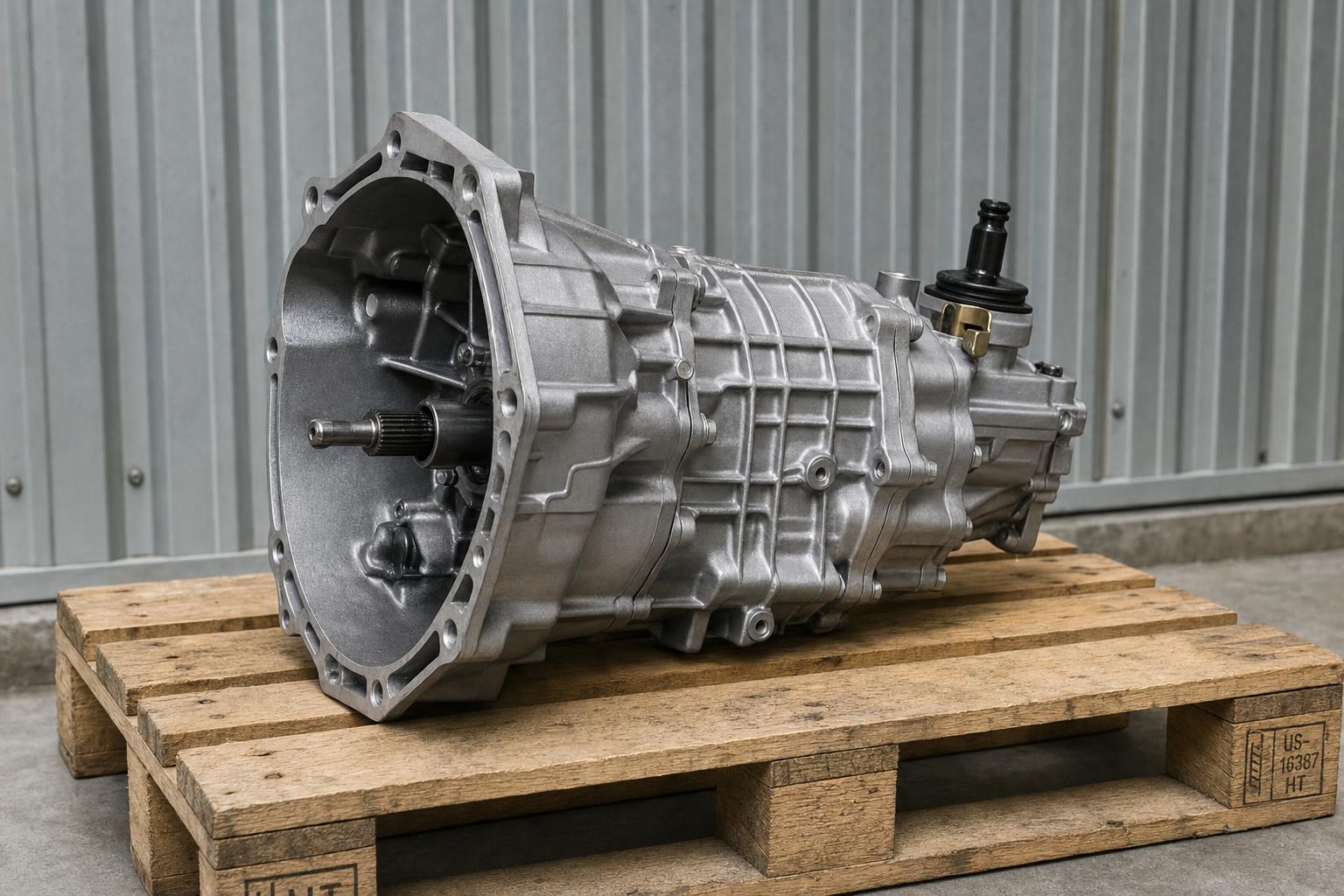
Freight shipping is designed for large, bulky goods — industrial machinery, construction equipment, fabricated steel. Unlike standard parcel shipping, freight services accommodate items that are too heavy or oversized for regular carriers. Key characteristics:
- Weight and Size: Freight shipping handles goods exceeding 150 lbs. Construction machinery, excavators, and large industrial equipment are common examples.
- Transport Methods: Heavy equipment moves by truck — flatbed, step deck, RGN, lowboy, or double drop depending on the load's dimensions and weight. (FreightSidekick arranges surface transportation only; air and ocean freight are outside our scope.)
- Specialized Equipment: Open-deck trailers — flatbeds, step decks, double drops, and RGNs — are the workhorses of heavy equipment transport. Choosing the wrong one costs you money or a permit violation.
What is Over-Dimensional Freight?
Over-dimensional freight is cargo that exceeds standard legal shipping limits in one or more dimensions. Cross any of these thresholds and you're in permit territory:
- Over-Length: Freight exceeding 65 feet (75 feet in some states).
- Over-Width: Items wider than 8.5 feet (102 inches). Anything over 102" needs a wide-load permit.
- Over-Height: Total truck-plus-freight height above ~13'6" triggers an over-height permit in most states (exact threshold varies by state).
- Over-Weight: Gross vehicle weight exceeding 80,000 lbs requires an overweight permit and typically a multi-axle trailer configuration.
Challenges of Shipping Over-Dimensional Freight
Over-dimensional moves aren't just bigger — they're operationally different in ways that affect cost, timing, and carrier availability:
- Increased Costs: Each dimension that exceeds legal limits adds cost. Over-width and over-height loads may require special handling, state permits (each state issues its own), and escort vehicles — allow 3–7 business days for permit acquisition on a typical multi-state heavy haul move.
- Limited Carrier Options: Fewer carriers run the specialized equipment needed for over-dimensional loads, which compresses available capacity.
- Regulatory Compliance: State-specific regulations govern permits, escort requirements, travel hours, and approved routes. A load legal in Texas may need a different routing in Louisiana.
- Logistical Complexity: Route planning must account for bridge clearances, height restrictions, and axle weight distribution — none of which come up on a standard dry van move.
Trailer Types and Deck Heights
Matching the trailer to the load is the single most important decision in heavy equipment shipping. Get it wrong and you're either paying for a permit you didn't need or discovering mid-transit that your load doesn't clear a bridge. Here's how the open-deck and specialized family breaks down — see our specialized freight service for heavy haul moves:
- Flatbed: Deck height of 60" (5 ft). Handles loads up to 8.5 ft tall without a permit. The default open-deck choice for steel, lumber, and machinery under that height threshold. See flatbed freight.
- Step Deck (Drop Deck): Lower deck sits at 38" — about 22" closer to the ground than a flatbed. Legal freight height up to 10 ft without a permit. Right for tractors, mid-size machinery, and fabricated steel that's too tall for a flatbed. See step deck freight.
- Double Drop: Well height of 24". Legal freight height up to 11.5 ft. Handles backhoes, generators, and mid-size excavators that exceed step deck clearance.
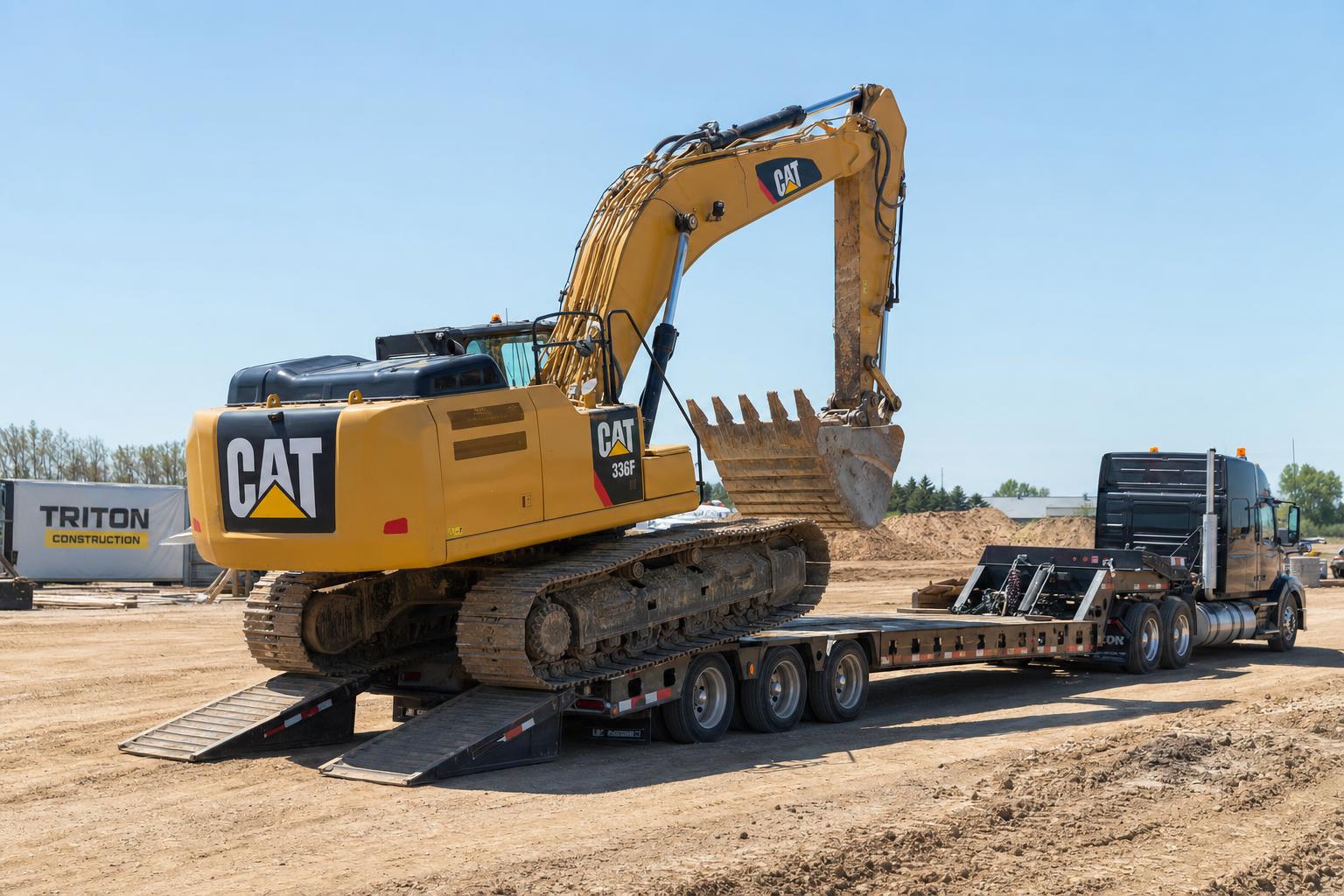
- RGN (Removable Gooseneck) / Lowboy: Well height of 18". Legal freight height up to 12 ft. The RGN's gooseneck detaches so self-propelled equipment — bulldozers, wheel loaders, large tractors — can be driven directly onto the deck rather than crane-loaded. The flagship trailer for heavy haul. Loads above 80,000 lbs require overweight permits and typically a multi-axle configuration.
Permitting for Over-Dimensional Freight
Permitting requirements vary state by state — and if an over-dimensional load can be reduced in size, it may not qualify for a permit at all. Use our state DOT regulations resource as a starting point, but always verify directly with each state before shipping to ensure compliance.
| State | Maximum Overall Length | Maximum Height |
|---|---|---|
| Alabama | 65' | 13'6" |
| Alaska | 53' | 14'0" |
| Arizona | 65' | 14'0" |
| Arkansas | 65' | 13'6" |
| California | 65' | 14'0" |
| Colorado | 75' | 14'6" |
| Connecticut | 65' | 13'6" |
| Delaware | 65' | 13'6" |
| Florida | 65' | 13'6" |
| Georgia | 65' | 13'6" |
| Hawaii | 65' | 13'6" |
| Idaho | 65' | 14'0" |
| Illinois | 65' | 13'6" |
| Indiana | 65' | 13'6" |
| Iowa | 65' | 13'6" |
| Kansas | 65' | 14'0" |
| Kentucky | 65' | 13'6" |
| Louisiana | 65' | 13'6" |
| Maine | 65' | 13'6" |
| Maryland | 65' | 13'6" |
| Massachusetts | 65' | 13'6" |
| Michigan | 65' | 13'6" |
| Minnesota | 75' | 13'6" |
| Mississippi | 65' | 13'6" |
| Missouri | 65' | 13'6" |
| Montana | 75' | 14'0" |
| Nebraska | 65' | 14'0" |
| Nevada | 65' | 14'0" |
| New Hampshire | 65' | 13'6" |
| New Jersey | 65' | 13'6" |
| New Mexico | 65' | 14'0" |
| New York | 65' | 14'0" |
| North Carolina | 65' | 13'6" |
| North Dakota | 75' | 14'0" |
| Ohio | 65' | 13'6" |
| Oklahoma | 65' | 14'0" |
| Oregon | 65' | 14'0" |
| Pennsylvania | 65' | 13'6" |
| Rhode Island | 65' | 13'6" |
| South Carolina | 65' | 13'6" |
| South Dakota | 75' | 14'0" |
| Tennessee | 65' | 13'6" |
| Texas | 65' | 14'0" |
| Utah | 65' | 14'0" |
| Vermont | 65' | 13'6" |
| Virginia | 65' | 13'6" |
| Washington | 65' | 14'0" |
| West Virginia | 65' | 13'6" |
| Wisconsin | 65' | 13'6" |
| Wyoming | 75' | 14'0" |
Always double-check state regulations before shipping — rules change, and a missed permit can mean fines, delays, or a load sitting on the side of the road.
Conclusion
Shipping heavy equipment on eBay isn't complicated once you know the rules. The right trailer keeps your load legal and your costs predictable. The right permits keep the truck moving. And knowing where the over-dimensional thresholds sit — 102" wide, 13'6" tall, 80,000 lbs gross — means you're not guessing when a carrier asks about your load.
FreightSidekick is a freight logistics platform that arranges specialized and heavy haul transport across all 50 states. We handle the trailer matching, permitting coordination, and carrier vetting — so the equipment gets there without surprises. Learn more about our construction equipment transport or explore our specialized freight services.
Get a Heavy Equipment Freight Quote
Ready to move your equipment? Get a quote online, call 877-345-3838, or email support@freightsidekick.com.