Loading articles...
All Articles
- Freight Seasonal Patterns: Peak Season Rates, Capacity & Shipping Calendar
- Shipping Carpet Rolls & Tiles: LTL vs. Truckload
- Shipping Generators: LTL vs. Partial vs. Truckload
- Shipping Portable Fencing & Barricades: LTL vs. FTL
- Shipping Ticket Booths: LTL vs. Full Truckload
- Shipping Office Desks, Chairs & Filing Cabinets
- Efficient Office Relocation: Master Shipping Desks, Chairs & Cabinets
- Efficient Shipping for Bedroom Sets: LTL vs. Full Truckload
- Understanding the Costs: Shipping Bedroom Sets Explained
- Ship Bedroom Sets with Care: Dresser, Bed & Nightstand Guide
- Freight Class for Shipping Bedroom Sets
- Efficient Shipping for Bedroom Sets: Dressers & Beds
- Shipping Dining Room Tables & Chairs Costs
- Shipping Dining Room Tables & Chairs Safely
- Freight Class for Dining Room Tables & Chairs
- Shipping Dining Room Tables & Chairs: A Freight Guide
- Shipping Naphtha Safely and Efficiently
- Shipping Denatured Alcohol: LTL vs. Full Truckload
- Cost to Ship Denatured Alcohol
- Freight Class Guide for Denatured Alcohol
- Denatured Alcohol Freight Shipping Guide
- Efficiently Ship Paint Thinners & Removers
- Cost of Shipping Paint Thinners & Removers
- Shipping Paint Thinners & Removers Safely
- Freight Class for Paint Thinners & Removers
- Efficiently Shipping Paint Thinners & Removers
- Efficiently Shipping Turpentine: LTL vs. FTL
- Turpentine Shipping Costs & Processes
- Best Practices for Packaging and Crating Turpentine
- Freight Class for Shipping Turpentine
- Shipping Acetone: LTL vs. Full Truckload
- Cost of Shipping Acetone: Comprehensive Guide
- Best Practices for Packaging Acetone
- Understanding Freight Class for Acetone
- Ensuring Safe Acetone Transportation: A Comprehensive Guide
- Shipping Mineral Spirits: LTL vs. Full Truckload
- Freight Class for Mineral Spirits: A Comprehensive Guide
- Shipping Mineral Spirits Safely by Freight
- Efficiently Shipping Contact Cement: LTL vs. FTL
- Cost of Shipping Contact Cement
- Shipping Contact Cement Safely and Efficiently
- What is the Freight Class for Contact Cement?
- Efficiently Shipping Contact Cement by Freight
- Shipping Wood Glue: Totes & Drums Guide
- Cost to Ship Wood Glue: Totes & Drums
- Packaging Wood Glue in Totes & Drums
- Freight Class for Wood Glue: Totes & Drums
- Efficient Wood Glue Shipping: Totes & Drums
- Shipping Silicone Sealants: LTL vs. Full Truckload
- Cost to Ship Silicone Sealants: High-temp & Food-grade
- Packaging Silicone Sealants: Best Practices
- Freight Class for Silicone Sealants
- Shipping Silicone Sealants: High-temp & Food-grade
- Shipping Caulks: LTL vs. Full Truckload
- Cost of Shipping Caulks: Acrylic, Latex, Silicone
- Efficient Shipping of Caulks: Acrylic, Latex, Silicone
- Freight Class for Caulks: Acrylic, Latex, Silicone
- Efficient Shipping of Caulks (Acrylic, Latex, Silicone)
- Optimize Shipping Epoxies: LTL vs. Full Truckload
- Cost to Ship Epoxies (Multi-part kits)
- Best Practices for Shipping Epoxies
- Freight Class Guide for Epoxies (Multi-part kits)
- Shipping Epoxies: Multi-part Kits Guide
- Efficient Shipping for Construction Adhesives
- Shipping Cost for Construction Adhesives
- Shipping Construction Adhesives: Tubes & Pails
- Freight Class Insights for Construction Adhesives Shipping
- Ship Construction Adhesives Efficiently
- Demystifying Marine Paint Shipping: LTL vs Truckload
- Shipping Marine Paint: Cost Guide
- Best Practices for Shipping Marine Paint
- Discover the Freight Class for Marine Paint
- Shipping Marine Paint: Essential Guidelines
- Efficiently Shipping Epoxy Coatings: LTL vs. FTL
- Shipping Costs for Epoxy Coatings
- Optimal Freight Class for Shipping Epoxy Coatings
- Efficiently Shipping Epoxy Coatings by Freight
- Efficient Shipping of Powder Coatings
- Powder Coatings Shipping Costs: Key Insights
- Packaging and Crating Powder Coatings
- The Ultimate Guide to Shipping Powder Coatings
- Efficient Shipping of Powder Coatings
- The Ultimate Guide to Shipping Clear Coats & Lacquers
- Freight Class for Clear Coats & Lacquers
- Efficient Shipping of Clear Coats & Lacquers
- The Essential Guide to Shipping Sealers: LTL or Full Truckload?
- Cost to Ship Concrete, Wood & Masonry Sealers
- Packaging Sealers for Concrete, Wood, Masonry
- Freight Class for Sealers Explained
- Shipping Sealers: Concrete, Wood, Masonry
- Efficient Packaging and Shipping of Varnishes
- Freight Class Guide for Varnishes
- Mastering Varnish Logistics: A Guide to Efficient Shipping
- Shipping Interior & Exterior Primers: LTL vs. FTL
- Shipping Costs for Interior & Exterior Primers
- Packaging Interior & Exterior Primers Safely
- Freight Class Insights for Interior & Exterior Primers
- Efficient Shipping for Interior & Exterior Primers
- How to Ship New & Used Pallets Efficiently
- Shipping Costs for Custom Wooden Crates
- Shipping Custom Wooden Crates: Best Practices
- Unlock the Secrets: The Right Freight Class for Your Custom Wooden Crates
- Optimized Freight Shipping for Custom Wooden Crates
- Cost of Shipping Collapsible Bins
- Packaging & Crating Collapsible Bins Efficiently
- Freight Class Guide for Collapsible Bins
- Efficiently Ship Collapsible Bins by Freight
- Shipping Agricultural Harvest Bins: LTL vs. FTL
- Cost of Shipping Agricultural Harvest Bins
- Efficiency in Transport: The Best Practices for Agricultural Harvest Bins
- Freight Class Guide for Agricultural Harvest Bins
- Efficient Shipping for Agricultural Harvest Bins
- Expert Guide: Shipping IBC Totes Safely
- IBC Tote Shipping and Freight Class Guide
- Efficient Strategies for Shipping IBC Totes
- Effortlessly Ship Sofas & Sectionals
- Shipping Plastic Drums by Freight
- Shipping New & Reconditioned Steel Drums
- Cost of Shipping New & Reconditioned Steel Drums
- Shipping New & Reconditioned Steel Drums
- Freight Class for New & Reconditioned Steel Drums
- Shipping New & Reconditioned Steel Drums
- Best Practices for Packaging Aluminum Products
- Shipping Aluminum Coils, Sheets & Extrusions
- Shipping Steel Coils & Sheets: LTL vs. FTL
- Cost-Effective Shipping for Steel Coils & Sheets
- Shipping Steel Coils & Sheets: Best Practices
- Freight Class Insights for Steel Coils & Sheets
- Efficient Steel Coil & Sheet Shipping
- Shipping Residential & Commercial Refrigerators Efficiently
- Shipping Costs for Residential & Commercial Fridges
- Efficient Packaging for Residential & Commercial Refrigerators
- Mastering Freight Class: Ship Residential & Commercial Refrigerators With Ease
- Shipping Residential & Commercial Refrigerators Efficiently
- Cost to Ship OTR & Agricultural Tires
- Shipping OTR & Agricultural Tires Efficiently
- Shipping Truck & Trailer Tires: LTL vs. FTL
- Cost to Ship Commercial Truck & Trailer Tires
- Ship Commercial Truck & Trailer Tires Effectively
- Freight Class for Truck & Trailer Tires
- Efficiently Ship Commercial Truck & Trailer Tires
- Efficiently Ship Light & Medium Truck Tires
- Cost of Shipping Truck Tires
- Ship Light & Medium Truck Tires Safely
- Streamline Your Shipping Process for Light & Medium Truck Tires
- Shipping Light & Medium Truck Tires
- Efficiently Shipping Passenger Car Tires on Pallets
- Cost to Ship Passenger Car Tires (Pallets)
- Optimal Packaging for Passenger Car Tire Pallets
- How to Calculate Freight Class for Passenger Car Tires on Pallets
- Efficiently Shipping Passenger Car Tires
- Efficient Shipping for Braking Systems
- Shipping Braking Systems: Costs & Insights
- Navigating Freight Class: The Complete Guide to Shipping Braking Systems
- Shipping Braking Systems with Ease
- Freight Class for Radiators & Intercoolers
- Efficiently Shipping Radiators & Intercoolers
- Shipping Exhaust Systems & Catalytic Converters
- Cost of Shipping Exhaust Systems & Catalytic Converters
- Best Practices for Shipping Exhaust Systems & Catalytic Converters
- Freight Class: Exhaust Systems & Catalytic Converters
- Efficient Shipping for Exhaust Systems & Catalytic Converters
- Cost of Shipping Bumpers & Grilles
- Best Practices for Shipping Bumpers & Grilles
- Freight Class Guide for Bumpers & Grilles
- 7 Crucial Steps to Ship Bumpers & Grilles Without Damage
- Efficient Shipping of Body Panels: LTL vs. FTL
- Shipping Costs for Body Panels: Doors, Fenders & Hoods
- Optimal Packaging for Body Panels
- Freight Class for Body Panels
- Ship Body Panels: Doors, Fenders, Hoods Efficiently
- Efficient Shipping for Axle Assemblies
- Shipping Costs for Axle Assemblies
- Best Practices for Packaging Axle Assemblies
- Efficiently Shipping Axle Assemblies
- Ship Transmissions & Transfer Cases Safely
- Freight Class for Transmissions & Transfer Cases
- Efficient Shipping of Transmissions & Transfer Cases
- Shipping Costs for Crate Engines & Blocks
- Best Practices for Shipping Crate Engines
- Freight Class for Crate Engines & Engine Blocks
- Efficient Shipping for Crate Engines & Engine Blocks
- Efficiently Shipping Sulfur by Freight
- Efficiently Ship Combine Harvesters & Headers
- Efficient Shipping for Bulk & Bagged Mulch
- Efficiently Ship Yarn & Thread Cones in Bulk
- Shipping Lab Equipment: Centrifuges, Analyzers Safely
- Efficiently Shipping Floor Leveling Compounds
- Efficient Bulk Compost Shipping Solutions
- Shipping Theatrical Lighting & Dimmers
- Shipping Trenchers & Compactors: A Comprehensive Guide
- Shipping Shop Tools & Cabinets Easily
- Shipping Standard & Extendable Chassis Efficiently
- Shipping EPDM & TPO Roofing
- Shipping Guide: Seeders, Planters & Air Drills
- Navigating the Rules of Bulk Plant Shipping
- Efficient Shipping for Indoor Tropical Plants
- Expert Guide: Bulk Shipping for Indoor Tropical Plants
- Cost of Shipping Indoor Tropical Plants (Bulk)
- Packaging Indoor Tropical Plants for Bulk Shipping
- Efficient Shipping Solutions for Indoor Tropical Plants
- Shipping Shrubs & Bedding Plants: LTL vs. FTL
- Freight Class Explained: Shrubs & Bedding Plants (Flats)
- Shipping Shrubs & Bedding Plants (Flats) Safely
- Shipping Potted & Balled Trees
- Efficiently Shipping Potted & Balled Trees
- Efficiently Transport Potted & Balled Trees
- Cost of Shipping Potted & Balled Trees
- Packaging Potted & Balled Trees: Best Palletizing Practices
- Freight Class Explained: Potted & Balled Trees
- Master Shipping Potted & Balled Trees via Pallet
- Shipping Suspension Systems Safely and Efficiently
- Shipping Plywood Sheets
- Top 10 Reasons to Join the Freight SideKick Affiliate Program
- Truckload Brokers
- Heavy Haul & Over-Dimensional
- Freight Forwarders & Co-Brokerage
- Understanding Co-Brokerage in Freight
- Shipping Travertine Tables
- Shipping Garlic
- Shipping Bell Peppers
- Shipping Spinach
- Shipping Carrots
- Shipping Broccoli
- Shipping Mushrooms
- Shipping Asparagus
- How to Choose the Best Freight Transport Mode
- Combatting Cargo Fraud
- The Indispensable Value of Freight Brokers
- Understanding Door-to-Door Shipping
- Shipping Paper and Paper Products
- Shipping Pharmaceuticals and Healthcare Products
- Shipping Power Generation Equipment
- Shipping Precious Metals Safely
- Shipping Power Tools
- Shipping Pools and Pool Accessories
- Shared Truckload Shipping
- Shipping Chemicals
- Understanding SCAC Codes
- Shipping Roofing Tiles
- Shipping Paper Rolls
- Shipping Stone Tiles
- Switching from LTL to Partial Truckload
- What You Need to Know About Truck Order Not Used (TONU) Fees
- How to Ship Transformers Safely
- Understanding Freight Billing Adjustments
- Understanding Dimensionalizers in Freight Shipping
- Top 25 Freight Brokerage Firms for 2025
- How to Ship Wine LTL
- The Advantages of Freight Brokers in 2025
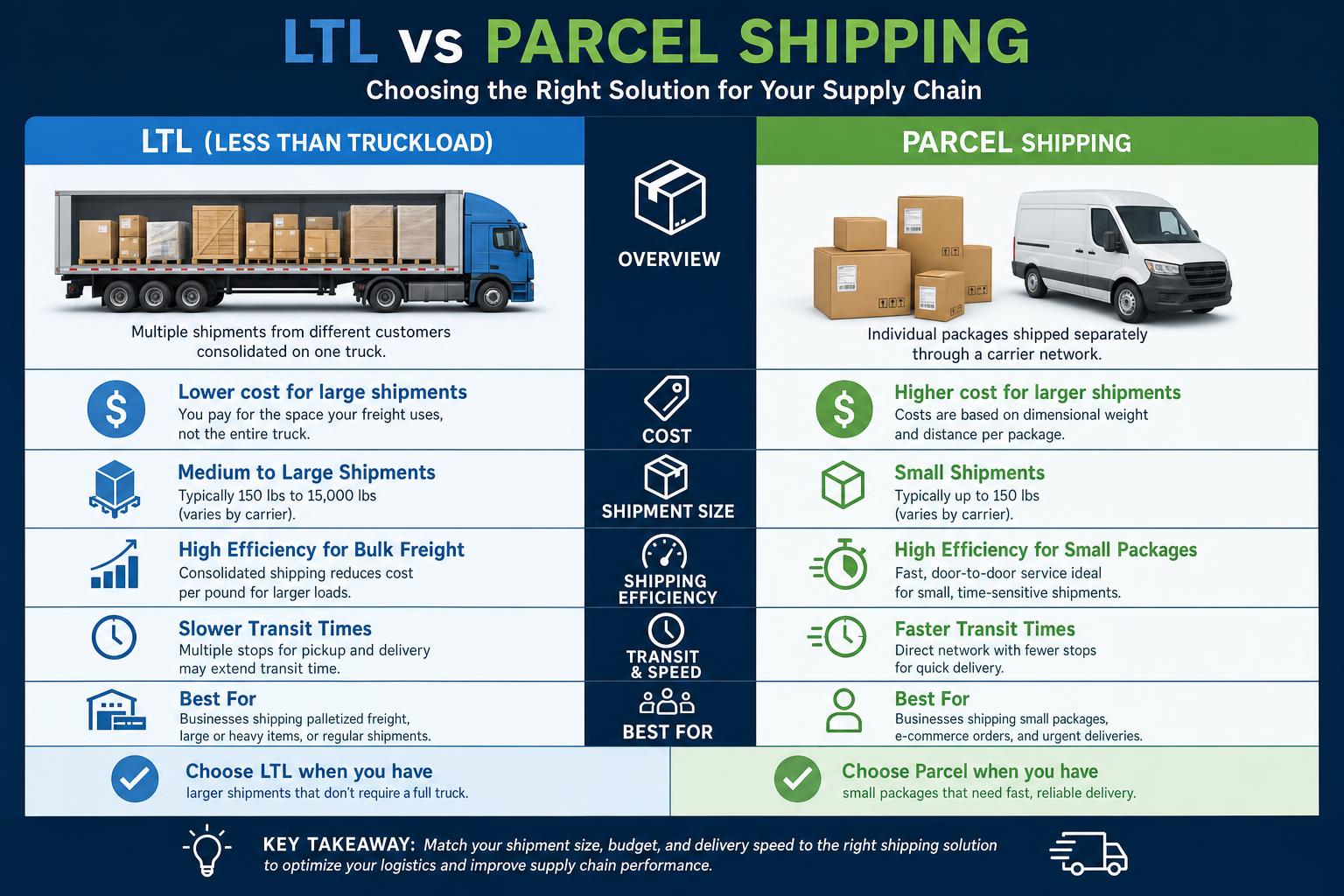
- LTL vs Parcel Shipping
- Palletizing Your Freight for Efficient Shipping
- The Impact of Trade Wars on Global Transportation
- Understanding FIFO: First In, First Out
- Fast Freight Services
- Ensuring the Safety of High-Value Cargo
- Cross-Country Freight Shipping
- DIY Crating for Safe Shipping
- Understanding Freight Rates: Contract vs. Spot Rates
- Shipping Solar Panels
- Shipping Power Racks Safely
- Shipping Refrigerated Medical Storage Units
- Shipping Digital Signage Displays
- Shipping Food Processing Equipment
- Shipping Bulk Electronic Components
- Shipping Boxing Bags
- How to Get Multi-Stop Freight Quotes
- Navigating the 2025 NMFTA Changes
- How to Ship Artwork
- FedEx Freight Rates Demystified
- FedEx Freight LTL Packing Guide
- Understanding LTL Shipping with FedEx Freight
- Buying Backhoes at Auction
- Buying Scissor Lifts at Auction
- Buying Boom and Aerial Lifts at Auction
- Buying Skid Steers at Auction
- Buying Dozers at Auction: Essential Strategies
- Buying Wheel Loaders at Auction
- Excavator Auctions: Expert Tips for Smart Bidding
- Best Practices for Shipping Cranes
- Work from Home in Shipping
- Side Hustle for Shipping and Receiving Clerks
- How Shipping and Receiving Jobs Can Lead to a Freight Agent Career
- Freight Referrals & Ethics
- Shipping Dozers
- Welding Equipment Shipping Made Easy
- Shipping Industrial Vacuum Cleaners
- Tumble Dryer Shipping Tips
- How to Sell Specialized Transport Services
- Earn Passive Income as a Freight Broker Affiliate
- Freight Broker Affiliate Programs
- Shipping Wheelchairs Safely
- Sandbag Shipping
- Shipping Specialized Training Equipment
- Shipping Golf Simulators
- Shipping Kayaks
- Shipping Gymnastics Mats
- Shipping Surfboards Safely
- Shipping Infusion Pumps
- Shipping Nutritional Supplements
- Shipping Hospital Beds
- Shipping ATVs and Quads from eBay
- Shipping Forklifts Made Easy
- Shipping Electroplating Equipment
- PPE Shipping Best Practices
- Best Practices for Shipping Medical Waste Containers
- Shipping Bulk Weight Sets on eBay
- Shipping Drone Systems
- Shipping Conveyor Belt Systems
- Shipping Industrial Fans
- Shipping Vacuum Pumps
- Shipping Heat Exchangers
- Shipping Mixing Tanks
- Robotics Shipping Guide
- Shipping Industrial Printers Safely
- Guide to Shipping Robot Arms
- Shipping Screw Compressors Safely
- Efficient Air Compressor Shipping
- Shipping Commercial Ice Machines Sold on eBay
- Shipping Oversized Speakers and Amplifiers
- Bulk Tire Shipping Simplified
- Shipping Building Materials via eBay
- Mastering Transmission Shipping on eBay
- Shipping Wine Coolers on eBay
- The Ultimate Freight Shipping Guide for Heavy Equipment
- Shipping Dishwashers on eBay
- Shipping Washers and Dryers Sold on eBay
- Shipping Medical Imaging Devices
- Shipping Desktop Computers
- Shipping 3D Printers Safely: A Practical Guide
- Shipping Storage Ottomans on eBay
- Shipping Storage Cabinets
- Shipping Pet Beds
- Shipping Hot Tubs
- Shipping Home Gym Equipment Made Easy
- Shipping for Counter Height Tables
- Shipping Adjustable Height Desks
- Shipping Bookshelves and Cabinets on eBay
- Mattress Shipping for eBay Sellers
- Shipping Armoires and Wardrobes on eBay
- Packing and Shipping Bedroom Sets from eBay
- Shipping Outdoor Patio Sets on eBay
- Shipping Sofas and Sectionals Bought or Sold on eBay
- Refrigerator Shipping for eBay Sellers
- Fuel Surcharge Explained
- Crane Shipping
- Shipping Dining Tables Sold on eBay
- Selling Furniture on eBay
- Shipping Brick Tiles
- The Ultimate Guide to Shipping Excavators
- Shipping Ceramic Tile
- Shipping Building Materials
- Automobile Clutches
- Shipping Automobile Batteries
- ATM Shipping: A Comprehensive Guide
- The Comprehensive Guide to Shipping Animal Food
- The Essential Guide to Antique Shipping
- Shipping Arcade Games
- Shipping Agricultural Machinery
- Shipping Air Conditioners
- Shipping Acoustic Panels
- Over-Dimensional Freight
- Hazmat Shipping 101
- Shipping Fertilizer
- Trade Show Freight Shipping
- Barge Shipping: A Comprehensive Guide
- A Comprehensive Guide to Shipping Large Items on eBay
- Shipping Watermelons
- Custom Web Development for Shipping Operations
- The Journey of Avocados: How We Enjoy Them Year-Round
- Exploring the Best Manufacturing Trade Shows
- Mastering the Art of Crating
- The Seasons of Shipping
- Crating Heavy Machinery: Best Practices and Services
- Shipping Plows: What You Need to Know
- Shipping Machine Parts
- Salt Shipping: A Comprehensive Guide
- Heavy Haul Shipping
- Shipping Terrazzo Tiles Safely and Efficiently
- Shipping Laminate Wood Flooring
- Shipping Milling Machines
- Shipping Medical Supplies
- Shipping of Medical Machines
- Shipping Marble Tiles
- Shipping Patio Furniture: Tips, Tricks, and Services
- Essential Guide to Shipping Winter Clothes
- The Ultimate Guide to Shipping Coffee
- Shipping Special Items
- Shipping Soil: Best Practices and Solutions
- The Ultimate Guide to Shipping Skid Steers
- Shipping Shower Tiles
- Shipping Wheels and Tires
- Shipping Sheet Metal
- The Art of Shipping Sculptures
- Shipping Toys and Games
- A Guide to Shipping Vinyl Flooring
- Loading Docks Explained
- Effective Strategies to Reduce Freight Costs
- Guide to Shipping Automotive Parts
- FedEx's 2025 Plan
- 10 Essential Tips for Preventing Cargo Theft
- Discount Freight Services
- uShip vs FreightSidekick
- LTL Brokers
- How to Track My Freight Shipment
- Expedited Freight Shipping
- Shipping Rates
- Oversized Freight Shipping
- Cheapest Freight Shipping
- Full Truckload Spot Market Quotes
- Generating accurate LTL freight quotes
- Calculating Your Freight Class
- An Introduction to LTL Shipping
- Mastering the Bill of Lading
- Trucking Terminology
- How To Calculate Freight Class
- Volume LTL and Partial Truckload
- LTL vs Truckload